Log Home Weatherproofing in Seattle, WA
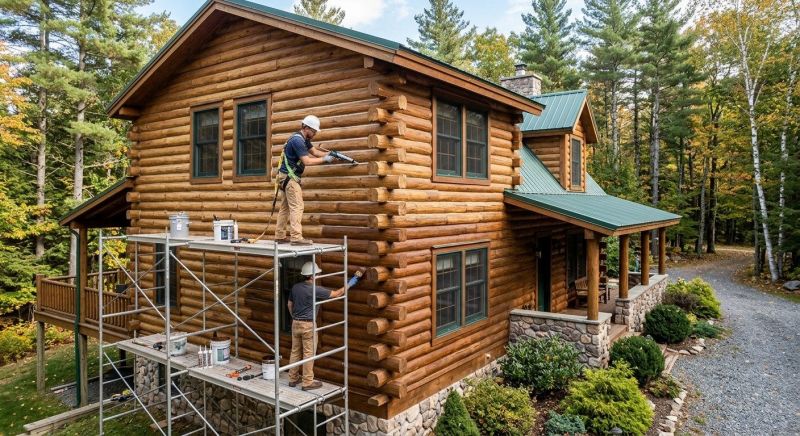
Log home weatherproofing services focus on protecting wooden structures from the elements, helping to prevent damage caused by moisture, wind, and temperature fluctuations. These services typically include sealing gaps, applying protective finishes, and inspecting for areas where water infiltration or wood deterioration could occur. Projects often involve treating entire exteriors, including walls, foundations, and rooflines, to ensure the home remains durable and energy-efficient throughout the year. Property owners usually want to understand the scope of weatherproofing, the materials used, and how the process can extend the lifespan of their log home.
Before requesting weatherproofing services, homeowners should consider the current condition of their logs and exterior finishes, along with any existing signs of wear or damage. It’s helpful to know the specific areas of concern, such as cracks, gaps, or water stains, and to inquire about recommended maintenance routines. Understanding the different treatment options and their benefits can assist property owners in making informed decisions to maintain the integrity and appearance of their log home for years to come.
Many property owners in Seattle, WA look into Log Home Weatherproofing for repairs, replacements, upgrades, and appearance-related improvements.
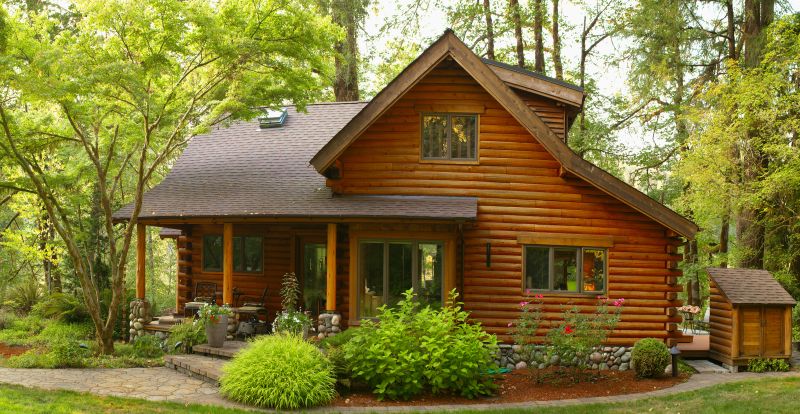
Protecting Log Homes From Weather Damage
Weatherproofing helps prevent moisture intrusion and structural deterioration in log homes.
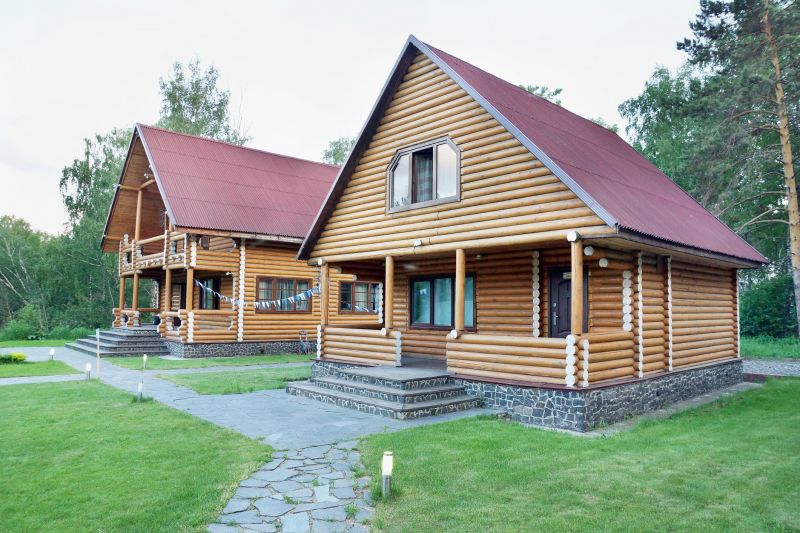
Maintenance And Upgrades For Log Structures
Regular weatherproofing extends the lifespan of log homes and maintains their appearance.
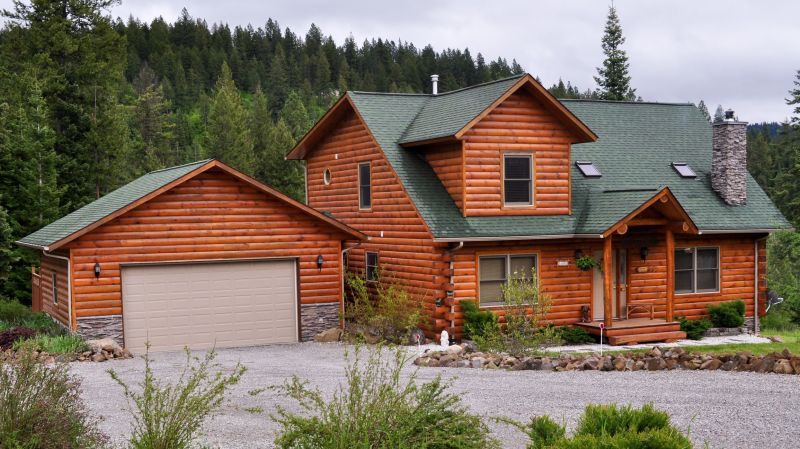
Effective Weatherproofing Solutions
Proper sealing, staining, and protective coatings are essential for safeguarding log homes in seattle and nearby areas.
Log Home Weatherproofing in Seattle, WA
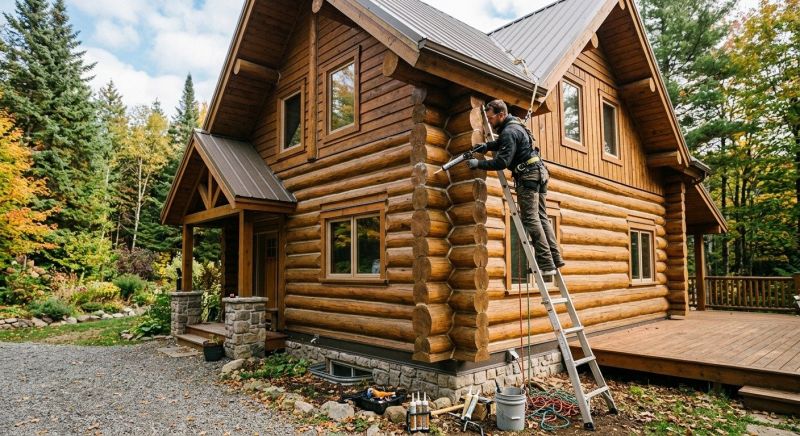
Log home weatherproofing services focus on protecting wooden structures from the elements, helping to prevent damage caused by moisture, wind, and temperature fluctuations. These services typically include sealing gaps, applying protective finishes, and inspecting for areas where water infiltration or wood deterioration could occur. Projects often involve treating entire exteriors, including walls, foundations, and rooflines, to ensure the home remains durable and energy-efficient throughout the year. Property owners usually want to understand the scope of weatherproofing, the materials used, and how the process can extend the lifespan of their log home.
Before requesting weatherproofing services, homeowners should consider the current condition of their logs and exterior finishes, along with any existing signs of wear or damage. It’s helpful to know the specific areas of concern, such as cracks, gaps, or water stains, and to inquire about recommended maintenance routines. Understanding the different treatment options and their benefits can assist property owners in making informed decisions to maintain the integrity and appearance of their log home for years to come.
Many property owners in Seattle, WA look into Log Home Weatherproofing for repairs, replacements, upgrades, and appearance-related improvements.
Common Log Home Weatherproofing Jobs
Log Home Weatherproofing - Protects logs from moisture, wind, and temperature changes to preserve the structure.
Sealant Application - Applies specialized sealants to prevent drafts and water infiltration.
Chinking and Caulking - Repairs or replaces gaps between logs to enhance energy efficiency.
Exterior Stain and Finish - Adds a protective layer to resist weathering and maintain appearance.
Roof and Gutter Sealing - Ensures roof edges and gutters are sealed against leaks and water damage.
Routine Inspection - Identifies potential weatherproofing issues before they develop into costly repairs.
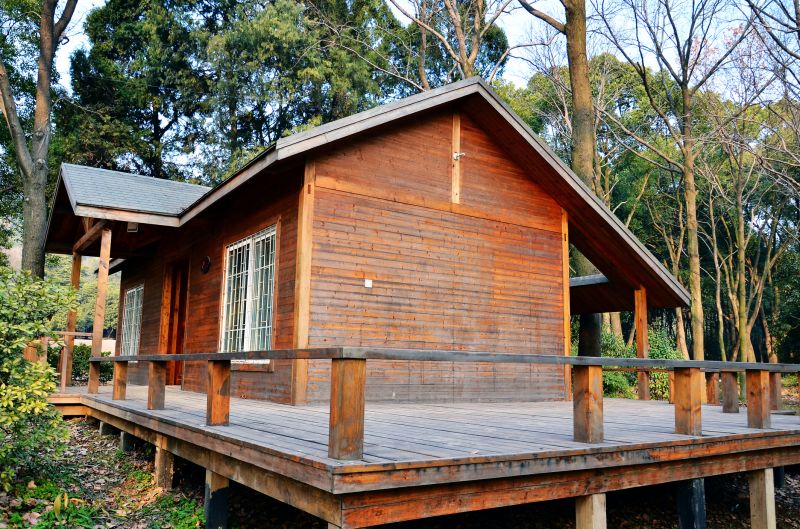
Log Home Weatherproofing Questions
Why is weatherproofing important for log homes? Weatherproofing helps protect log homes from moisture, preventing rot, mold, and decay that can damage the structure over time.
What types of weatherproofing treatments are available? Treatments include sealants, stains, and finishes designed to repel water and UV rays, maintaining the logs’ integrity and appearance.
How often should log home weatherproofing be reapplied? Reapplication is typically recommended every few years to ensure continuous protection against the elements.
What areas of a log home benefit most from weatherproofing? The exterior walls, especially the logs, corners, and areas exposed to direct weather, are key zones for weatherproofing efforts.
Request Log Home Weatherproofing in Seattle, WA
Use the quote form on this page to share the basics of your project and request more information for the type of work you need.